
Umaru Creative ·
Why the 2025 Instagram Ban Wave Reminds Us to Own Our Websites
The 2025 Instagram ban wave shows how fragile social media presence can be. A personal website gives lasting control and stability.
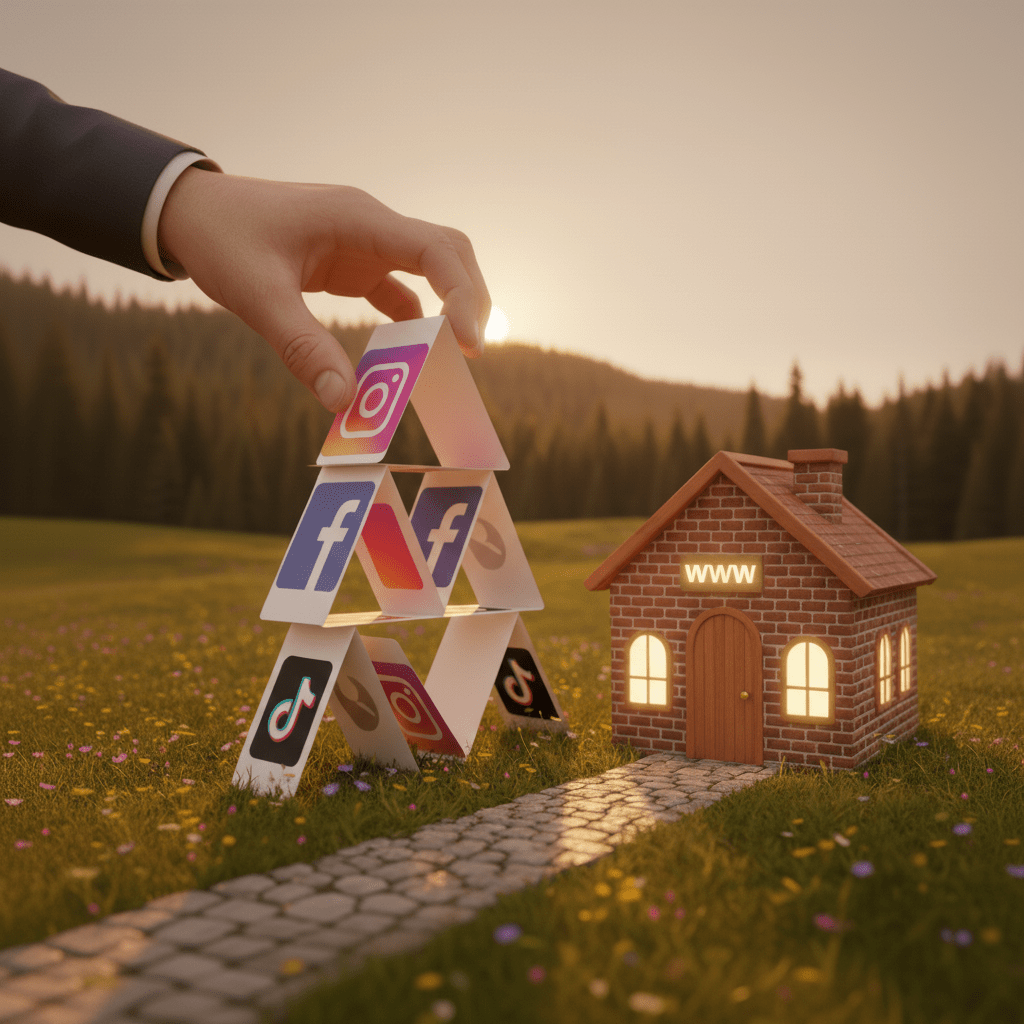
In recent months, social media users worldwide have faced a disconcerting reality: accounts on platforms like Instagram have been banned or suspended suddenly, often without clear reasons or effective appeals. What started as isolated complaints has grown into what many now call the 2025 Instagram ban wave.
For creators, small businesses, and professionals who rely on these platforms, the consequences have been devastating: years of effort, audiences, and even livelihoods cut off overnight. The bans serve as a stark reminder of how dependent we can become on platforms where the rules are opaque and enforcement can feel arbitrary.
The ban wave in 2025
Reports throughout summer 2025 describe tens of thousands of Instagram accounts banned globally. Users say they were accused of serious violations — including content related to child exploitation or violence — despite sharing ordinary posts. Appeals, if possible at all, were often automatically rejected within minutes.
Petitions have gained tens of thousands of signatures, media outlets have covered individual stories, and online communities are full of desperate posts. One gym owner wrote how their suspension wiped out access to all their students and years of branding work. Others described the helplessness of sending documents, IDs, and appeals, only to be met with silence.
Instagram is not the only case. Earlier in 2025, Pinterest admitted to a wave of mistaken bans caused by internal errors. At this scale, the pattern reveals a deeper issue: when platforms depend on AI-driven moderation at massive scale, false positives are inevitable — and users have no control over the outcome.
Why this matters beyond social media
For many businesses and professionals, social platforms have become the de facto “home” of their digital presence. They host portfolios, run marketing campaigns, and maintain customer contact almost entirely through Instagram, TikTok, Facebook or similar apps.
But these bans show the fragility of such a model. Accounts can vanish overnight. Appeals may lead nowhere. And the larger the platform, the less individual voices are heard.
Social media is useful — no question. It helps reach new audiences and build connections. But relying on it as your foundation is risky. When the rules are opaque and enforcement is automated, you are effectively renting space in someone else’s house.
A stable base: your own website
That’s why a website matters more than ever. Unlike a social media account, your website is your own domain, your own space. It cannot be banned or suspended by a third party.
Think of it this way: social media should be a bridge to your website, not a replacement for it.
Three clear reasons stand out:
- Control — Your content, data, and access remain in your hands.
- Credibility — A website gives you a professional and lasting identity.
- Resilience — Even if platforms change their rules, or AI moderation makes mistakes, your website remains.
Closing thoughts
In 2025, the sudden bans remind us of something simple but vital: do not hand over all control of your digital presence to platforms you don’t own. Social media is powerful, but it should be treated as a guest room — not your home.
Your website is that home. It’s where your work, your ideas, and your community have a foundation that no AI moderation error can erase.