
Umaru Creative ·
When Airports Go Dark: What the Recent Cyberattack Teaches Us About Website Security
After Heathrow, Brussels and Berlin airports were disrupted by a cyberattack on shared systems, it becomes clear: owning secure, independent digital spaces matters more than ever.
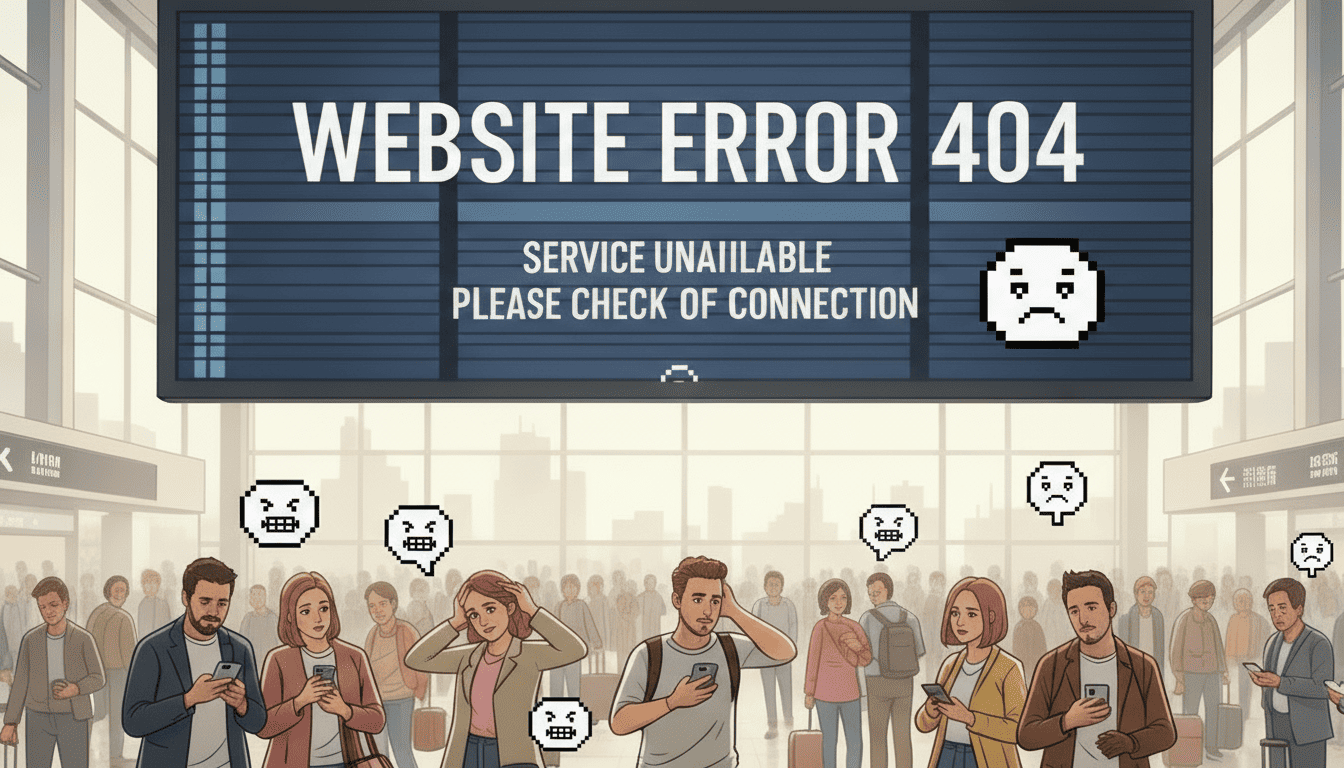
What an Airport Cyberattack Teaches Us About Website Security
When three of Europe’s busiest airports — Heathrow, Brussels, and Berlin — were forced to switch to manual check-in after a cyberattack on their shared service provider, it caused chaos. Flights were delayed, baggage piled up, and passengers waited in long queues.
The attack didn’t steal data but it disrupted systems that thousands rely on every day. It shows how fragile digital infrastructure can be, even at the scale of international airports.
Lessons for websites
If airports with vast resources can face such disruptions, it’s a reminder that our own digital spaces also deserve attention. A personal or business website may be smaller, but when it goes down, the impact can be just as frustrating in its own way.
Here are some simple but important lessons:
- Don’t depend too much on one external platform. If your whole online presence relies on one service, you’re vulnerable when it fails.
- Keep ownership where possible. Having your own code, backups, and hosting gives you more control if something goes wrong.
- Cover the basics. SSL, secure hosting, and clean code aren’t extras — they are essentials.
- Plan for continuity. Backups and version control act as a “manual override” so you can restore your site quickly.
Takeaway
Digital systems — whether at airports or on your own site — are only as strong as their weakest point. Having a website you control and securing it properly is not about being cautious for the sake of it; it’s about ensuring your work and connections stay online, no matter what.