Umaru Creative ·
Are Humanoid Robots the Next Smart Home Revolution?
Exploring Neo, the first humanoid home robot by 1X. Can physical AI truly fit into our homes—or are we still teaching it how to walk?
Are Humanoid Robots the Next Smart Home Revolution?
The idea of having a robot helper at home has long belonged to science fiction. Yet with 1X’s Neo, the first humanoid robot designed for everyday domestic tasks, that fantasy suddenly feels closer to reality—though perhaps not in the way we imagined.
A Glimpse into the Future — and Its Flaws
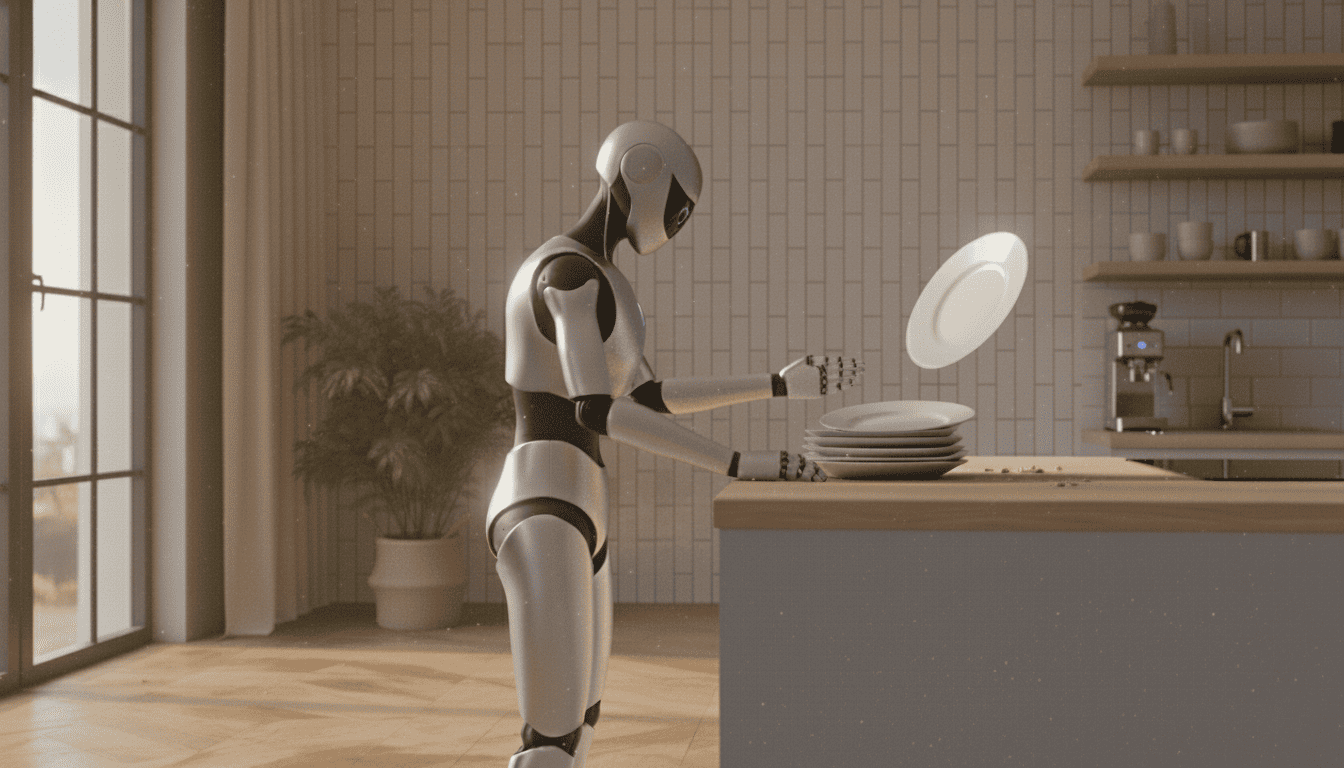
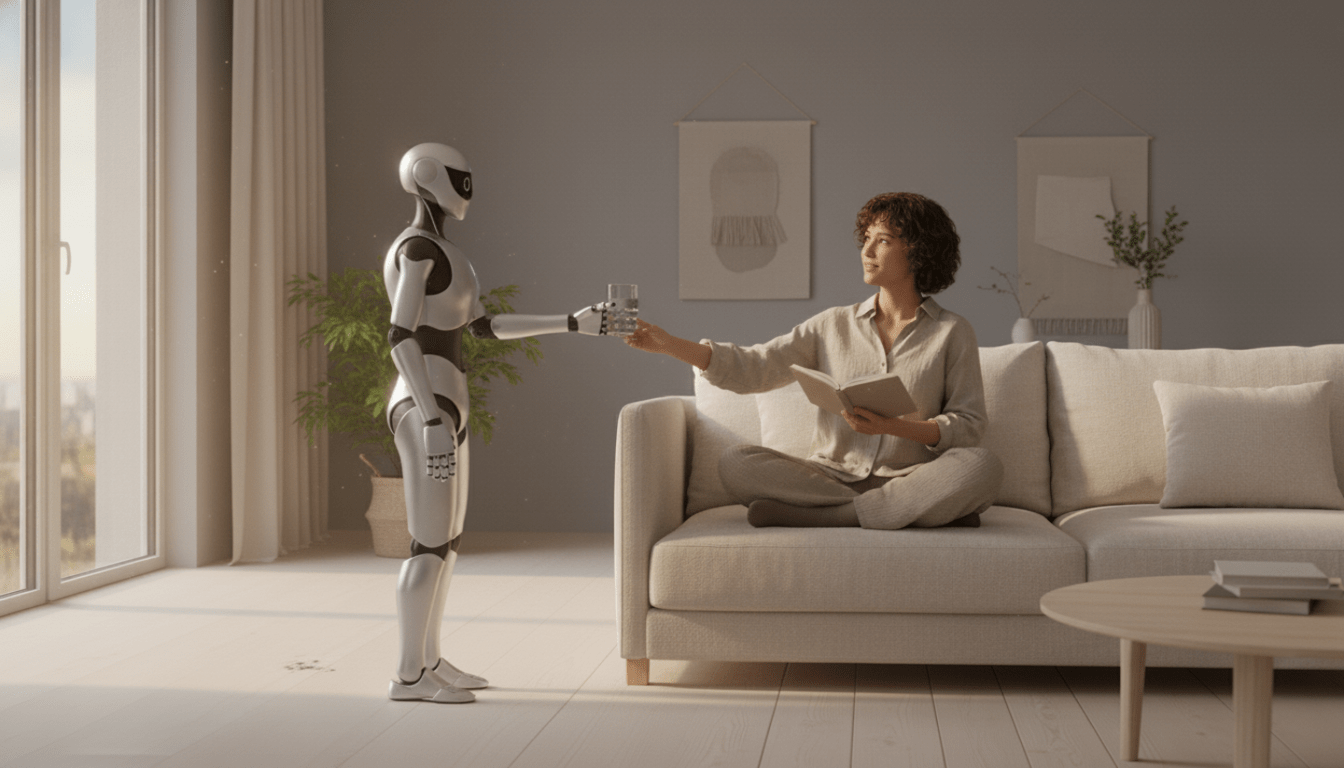
Neo is a humanoid robot that can move like a person, lift moderate weight, and handle simple tasks such as fetching a drink or loading a dishwasher. It’s not just a machine of metal and code — its soft “skin” and gentle movements are designed to feel safe and familiar.
But there’s a twist. Much of what Neo does today isn’t autonomous. Behind those camera eyes may still be a human operator, remotely controlling its actions until the AI learns through data and repetition.
That makes Neo as much a window into our future as it is a mirror of where we currently stand — a reminder that even the most advanced AI still needs human guidance.
From Smart Assistants to Physical AI
For years, we’ve grown used to digital assistants that respond to our voices. Neo represents the next leap: physical AI — a system that doesn’t just talk, but acts in the real world.
1X calls it the beginning of “embodied intelligence”, where AI learns through physical experience, just as humans do. This is what makes the Neo project different from the robotic arms seen in factories — it aims to live among us, learn our routines, and eventually act independently.
It’s a bold vision, but one that comes with new questions. How do we feel about a robot that learns inside our homes, watching and imitating our habits? And how much privacy are we willing to trade for convenience?
The Social Contract of AI at Home
The company behind Neo describes it as a “social contract” — users must agree to share data so the robot can improve. Cameras and remote operation are part of that trade.
For many, that might feel uneasy. After all, our homes are intimate spaces — places we don’t usually invite surveillance into, even for innovation’s sake. Yet, this approach also highlights a reality: AI can’t evolve in isolation. It learns from our environments, our movements, and our imperfections.
There’s a fine line between useful automation and invasive presence. Finding that balance will define how quickly people welcome robots like Neo into their daily lives.
Design, Empathy, and the Human Touch
What’s fascinating is how much effort has gone into making Neo look and feel approachable. The company dressed it in soft materials and designed its movements to mimic human fluidity. These design decisions aren’t just aesthetic — they’re psychological.
When technology steps into our personal spaces, design becomes trust. The form, tone, and movement all shape whether we see Neo as a threat or a companion.
As a designer, I find this particularly striking: the interface between humans and machines is no longer a screen — it’s a body.
Takeaway
The Neo robot isn’t here to replace us; it’s learning from us. For now, that means a lot of imperfect motion — the so-called “robotic slop.” But beneath the clumsiness lies a bigger shift: AI is moving off our screens and into our physical world.
Whether we’ll embrace it depends not just on technology, but on design, transparency, and how human it feels to live alongside a machine.